
Water Heater Leak Cleanup in Schenectady, NY: Drying Out After the Tank Lets Go
Water heaters live in basements, utility closets, and garages, so a leak can run for hours before anyone sees it. By the time you find a puddle, the water may have crept under walls, into stored boxes, and across the slab. Schenectady Restoration Pro removes the water, dries the area around the heater, and checks the nearby rooms for moisture.
Fixing or swapping the heater belongs to a licensed plumber. Our part begins once the leak is stopped and the unit has been handled.
- 24/7 Emergency Calls
- Free Estimates
- Licensed and Insured
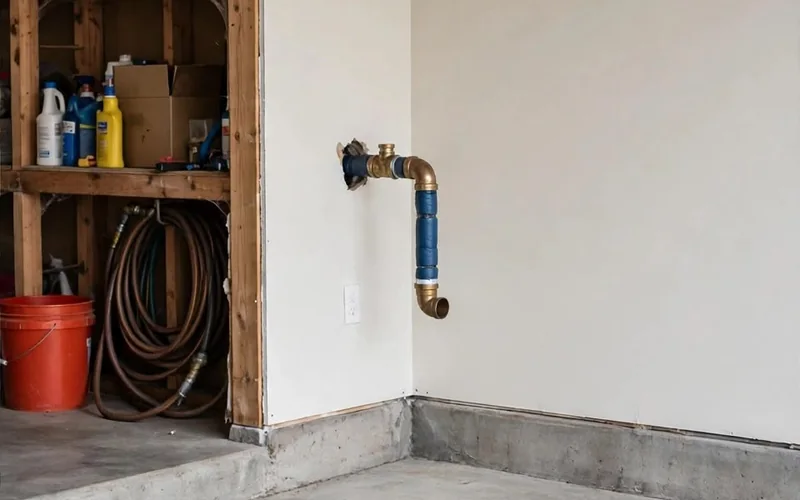
Where Water Heater Leaks Come From
A Failing Tank
A tank that develops a leak usually cannot be patched. Water may seep slowly at first and then increase.
Fittings and Connections
Supply lines, shutoff valves, and nearby joints can loosen or corrode and drip steadily.
Relief and Drain Valves
A relief valve or drain valve can leak when it wears or is not seated properly. A plumber can tell you which it is.
Condensation and Overflow Lines
Some units and nearby equipment drip into pans and lines. If those clog or overflow, water reaches the floor.
What to Do When You Find It
- Turn off the cold water supply to the heater at its shutoff valve, if it is dry and easy to reach.
- Cut the fuel to the unit. For an electric model, use its breaker only if the panel is dry. A gas smell means walking outside and calling your gas utility from there.
- Do not wade through water that reaches cords, outlets, or the panel.
- Keep the heater's tag or model number handy for the plumber and your insurer.
- Lift boxes and belongings off wet concrete if you can do so safely.
- Plumber for the heater, us for the water. The two jobs are separate.
How We Clean Up
Check Where the Water Traveled
Concrete floors slope toward drains and low spots, and water can slip under finished walls and into adjoining rooms. We check the area beyond what you can see.
Clear the Standing Water
Pumps clear what is standing, and extractors pick up the rest. How that works is explained under water extraction and removal.
Remove Wet Materials That Cannot Dry
Insulation that is saturated, drywall at the base of a wall, and carpet may have to go. Concrete and other hard surfaces stay and dry in place.
Dry and Confirm
Equipment stays running while we track the numbers. Our structural drying and dehumidification page covers what that involves.
When the Heater Is in a Finished Basement
Plenty of homes tuck the heater into a finished space with drywall, flooring, and shelving, and finished materials hold moisture. See basement water damage for how we treat those rooms.
What We Look For Around the Heater
- Rust, water marks, or soft spots where the heater sits
- Damp wall bottoms and baseboards
- Wet insulation or stored cardboard
- Moisture traveling toward the furnace, electrical panel, or nearby rooms
If something looks like it needs a different trade, such as a furnace or an electrician, we tell you.
Slow Leaks Are Easy to Miss
A leak that drips for weeks leaves rust rings, musty smells, and warped baseboards. When you cannot tell how long it has been dripping, water leak detection can show where the moisture went.
Apartments and Rentals
When a tenant's heater leaks into a lower unit or a shared hallway, records matter. We note which areas were wet and which steps were taken, so tenants, landlords, and managers share the same picture.
What Your Insurer May Ask
Insurers often ask when the leak began, what failed, and what was damaged. Photos, the heater's age and details, and a plumber's notes help. Claim approval is up to the insurer, and we cannot predict it.
Water Heater Leak Help Across Schenectady
We clean up water heater leaks from the Stockade and Bellevue to Mont Pleasant, Hamilton Hill, Woodlawn, and Downtown, and in Scotia, Glenville, Rotterdam, and Niskayuna.